How Do You Know When You’re Ready to Query (or Publish) Your Book?
Writer 1: I’ve finished! Okay, I’ve done a quick revision. I’ve read it through and it seems pretty good. I’ve had a few other people read it and say it’s like 80% done. I think I’m going to send it out – or self publish – and get on to the next thing. I just can’t look at this particular manuscript any longer.
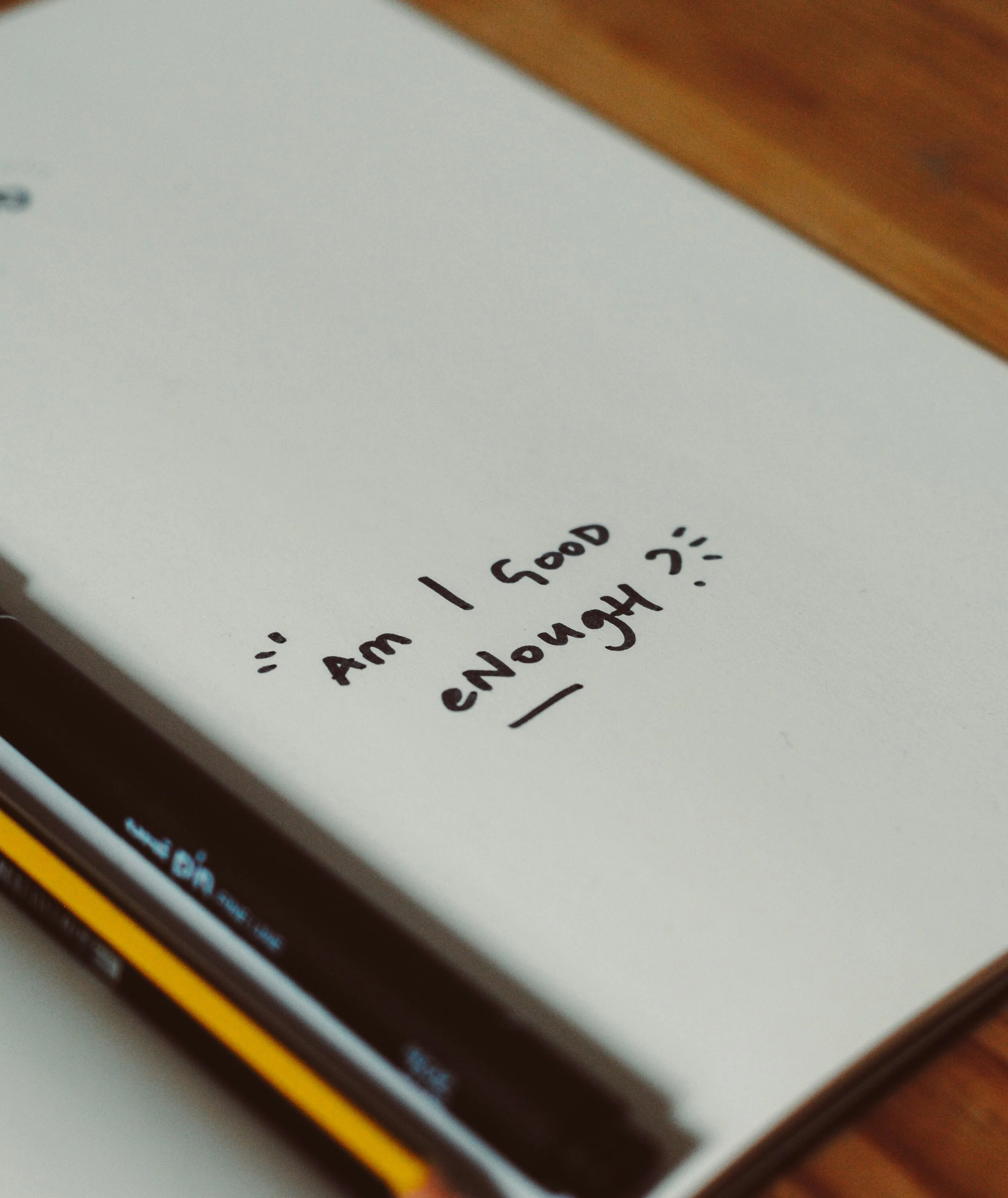
Writer 2: I think I’m almost finished. But first, I need to go back and tweak the beginning. And Chapter Ten still feels rough. And are my main character’s motivations clear? Is she unlikeable? Maybe I’d better look at that again as well. I know ten beta readers have said it’s great, but I just know there’s something more I need to do. But wait – there's an idea for another book that’s really calling to me. Maybe I should work on that one while it’s hot, and come back to this later.
Do either of these sound familiar? I’ll admit, I tend to fall into the second category. Most writers do fall into one category or the other (maybe not at that extreme... or maybe worse). Why?
Because there’s no perfect answer to the question “When is my book really ready to go out into the world?”
There’s no perfect state in which the stars align, and the angels sing, or you get a message in a dream saying, “It’s ready!” If you’re very lucky, you have a knowledgeable mentor or coach who says, “I think this is ready, go for it. Good luck.”
Even if you do have such a person, it can be hard to let go. After all, if you put your book out there, you’re risking criticism or outright rejection. Never fun. Or if it is successful, you have to come up with the next book and make it just as good. Pressure!
And if you put it out too soon, you may not get another chance. Sure, if you self-publish, you can pull it later and make revisions and then re-publish – if you can attract new readers. If you go the trad route and query agents or editors, it will likely be a “No” with no chance of revising and resubmitting.
Or you can also revise it to death before it goes out. Killing the spark that gives it life in the name of perfecting every sentence.
Honestly, most books are undercooked rather than overcooked. In the absence of mentors or coaches, it can take a lot of experience to know when it really is “good enough” (never perfect). And of course, if you do get a book deal, you’ll likely still be revising according to editorial feedback.
I don‘t know how many people are still doing a NaNoWriMo-style writing marathon in November, but this is the season many agents dread, when they’re about to get an onslaught of massively undercooked manuscripts that resemble a first draft more than a publishable book.
So, what are some signs you are in fact ready to send it out, or hit publish? (Note: this holds for fiction writers. For most nonfiction, you’ll need to create a proposal first, which is a whole different beast).
You have a complete manuscript. You can’t just have some chapters and an outline and hope an agent or editor will like it enough to want more. If you self-publish, even if you’re doing it chapter-by-chapter, it’s far better to make sure you have a full, solid story before you get halfway through and realize you’ve written yourself into a corner.
That manuscript has been read by several beta readers, at least. Preferably an editor or two. One for developmental editing, one for line editing and proofreading. However, I know not everyone can afford editorial services. Often you get what you pay for, and there are many, many scams and unqualified people out there. It’s tricky, but getting recommendations helps, or if they have a track record of working with published authors. (People complain about the cost, and I get it – but it’s a huge amount of work when done properly, and it takes years of experience to do it well. In this business, you are going to spend money, whether you go the trad route or the self-pub route.)
You have thoroughly revised said manuscript. Not just flipped back to page one and done a line-by-line edit, but done a deep edit, where you’ve looked at all aspects of the story and figured out what works and what doesn’t. This is where developmental editing comes in. Often others can see issues you no longer can due to your familiarity with the story. If you’re using beta readers only, make sure you give them a list of questions you’d like them to answer, and a blank check to bring up any issues they see. Compare their feedback. If more than one person brings something up, it’s likely an issue, even if you don’t think so. (“This part is boring? It can’t be! This is where she drives out to the desert and contemplates her life choices and comes to the conclusion that she needs to hire a hit man to get rid of her pesky boss!”)
Aside from deep revision, you have done that line-by-line edit, tightening the prose, clarifying confusion, getting rid of all of those filler words you overuse (that, just, very, etc.). The Find function of any word processing software will be a huge help with this, since you’re likely blind to them by now.
You’ve done a meticulous proofread. Okay, there are likely some small oopsies here and there, but nothing that will make a reader want to give up.
One terrific way to do a line edit and proofread is to read the manuscript aloud. Yes, all the way through. You will hear clunky passages you can’t see on the page. You will notice when you’re boring yourself (and likely the reader). You’ll read aloud more slowly than you can read in your head, so you are more likely to see small errors or overuse of words or phrases.
Although the danger of getting caught up in Shiny Next Book syndrome is real, you do need to give yourself time in between phases in order to be able to come back to it with fresh eyes. After every draft, every part of revision, let it rest. It can be 4-6 weeks between major revisions, and 2 weeks or so between line editing/proofreading. In the meantime, you can work on the next story, or go relax and fill your creative well.
Then, read it all through one more time. If you’re totally sick of it, and can’t see any more major improvements to make, you’re ready. Congratulations!
Now you get to work on your query, or start the publishing process. Yes, it takes time. Yes, it can be hard. But if you want something you’ll be proud to send off into the world, you will do all you can to make your book shine. And then – let it go. Stop overthinking every little piece. Now it’s time to work on the next story!
If you like this, head on over to the Contact Page and sign up to get my monthly newsletter featuring tips on creativity, productivity, and the writer’s craft.