No Time to Write? Conduct a Time Audit
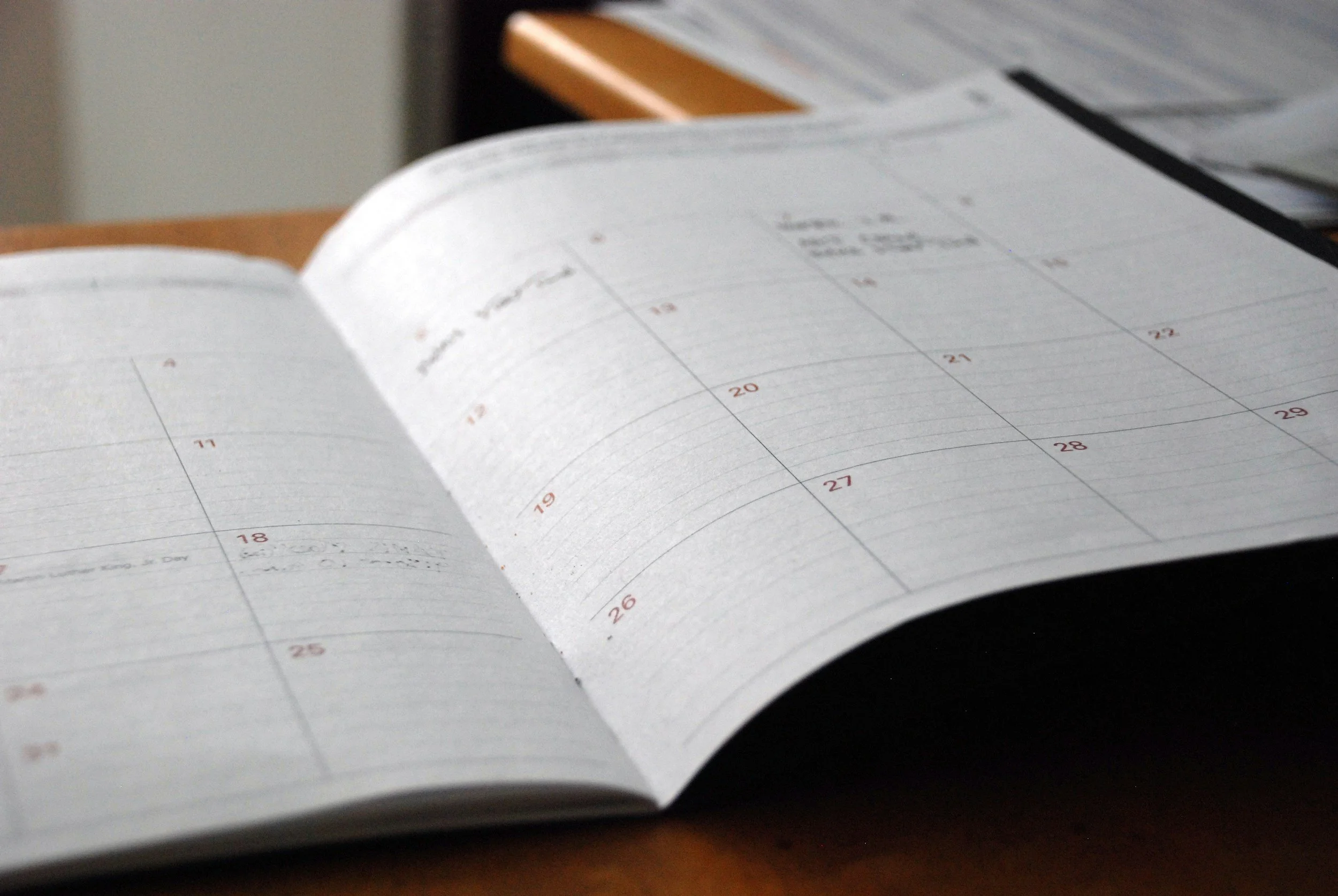
Photo by Eric Rothermel on Unsplash
One of the biggest complaints most writers have is that they have no time to write. This is understandable; in our daily, packed lives it can be difficult to get as much time as we’d like to write. Some of us manage a little bit every day, while wondering how to squeeze out more since our projects seem to be taking forever. Others look at their lives and think, “Well, 15 minutes to write must be nice!”
There are many reasons why we feel time-crunched, and the actual amount of hours in the day is only one part of the story. Although we may be able to squeeze in 15 minutes to write, it often takes a few minutes just to settle in and remember what we were working on. Or, we have some time, but we’re too physically or mentally exhausted to do anything like writing that takes mental energy.
It takes two things to have a regular writing practice: Priority and Intention.
We have to learn to prioritize writing consistently in order to make any progress on our goals. Yes, there are legitimately times when something else has to take precedence - family emergencies and the like - but we have to be able to put Writing at the top of the list more days than not, on a consistent schedule, so that our brain knows that This Is Writing Time, and focuses more quickly on the task.
For that, we need to make a solid Intention to write at particular days and times. A vague hope that we’ll find time this week isn’t going to cut it. We have to make a deliberate choice, and put it in a calendar, and then show up no matter whether we feel like writing at that time or not.
Which brings us back to the dilemma of time. If we’re going to prioritize writing and set an intention, we need to do it at a time when we have the energy to actually do it. This is why most guides suggest the morning. We’re generally more awake, and the cascade of daily to-dos hasn’t crashed in on us yet.
At night, it tends to be easier to say, “I’m too tired; I’ll do it tomorrow.” And then tomorrow comes, and the process repeats itself. However, if you are truly a night owl writer, go for it. There is no one right way.
I’m reading Laura Vanderkam’s 168 Hours: You Have More Time Than You Think. I’m also doing a 10-day Dopamine challenge, to become more aware of, and take back, the time I spend mindlessly scrolling on my phone.
These two things are related, because Laura’s thesis is that we all have 168 hours in a week. And we often overestimate how much time we spend on some things (like work) and underestimate our time on other things (like social media).
Some people will say, “But we don’t all have the same time. Some of us have this, or that, or some other thing to do…” She cites examples of people who truly have a lot on their plate (multiple kids, a business, household management, eldercare), who manage to also make time for the things they love.
As I read, I grew curious about my own time management. I want to become aware of how I truly spend my time, not just how I think I spend my time. Like many people, I find my default is to pick up my phone in a down moment, to check email, scroll social media, read the news… and then look up “a few minutes” later, and find a half hour has passed.
I know I won’t eradicate all scrolling, but I aim to make it intentional rather than the default. To take a brief walk rather than grab my phone if I need a break. To allow myself to play games for 10 minutes only after I complete a more important task, and so on.
The benefit of this, beyond the time I save, is that I also have more mental energy. The constant dopamine hit of new post/new email/new article etc. is draining. I end up feeling foggy and sleepy. When I limit it to small bites, and instead focus on the Good Stuff, I maintain more clarity AND get the hit of satisfaction of accomplishment.
On Laura’s site, she has a free Time Makeover Guide (scroll to the bottom of the page). It may help you to find more time than you think you have. Or, you can do your own Time Audit using a spreadsheet. I have columns for Date/Day/Time/Activity/Minutes/Category. For example:
3/25/26
Wednesday
8:00-9:00 am
Write
60
Writing
You can create whatever categories you want, but when you add the minutes up at the end of the week, you’ll get a better sense of the overall activities you spend your life on. (To not drive myself crazy, I round to the nearest 5 minutes).
Once you know what you actually spend your time and energy on, you can make adjustments to your schedule in a way that optimizes your priorities. You might even add a column for “Energy” to track how you feel at various times of day, or during various activities.
The point isn’t perfection, or an autobot schedule that keeps you on task every moment. It simply brings awareness, and the freedom to make choices about how you use your time.
Your attention is your most precious resource. Make sure that you are spending it on things that are truly meaningful to you whenever possible.
If you try this, let me know how it goes in the comments!
If you like this, head on over to the Contact Page and sign up to get my monthly newsletter featuring tips on creativity, productivity, and the writer’s craft.