How to Think (and Write) Like Leonardo da Vinci, Part VI: Corporalità
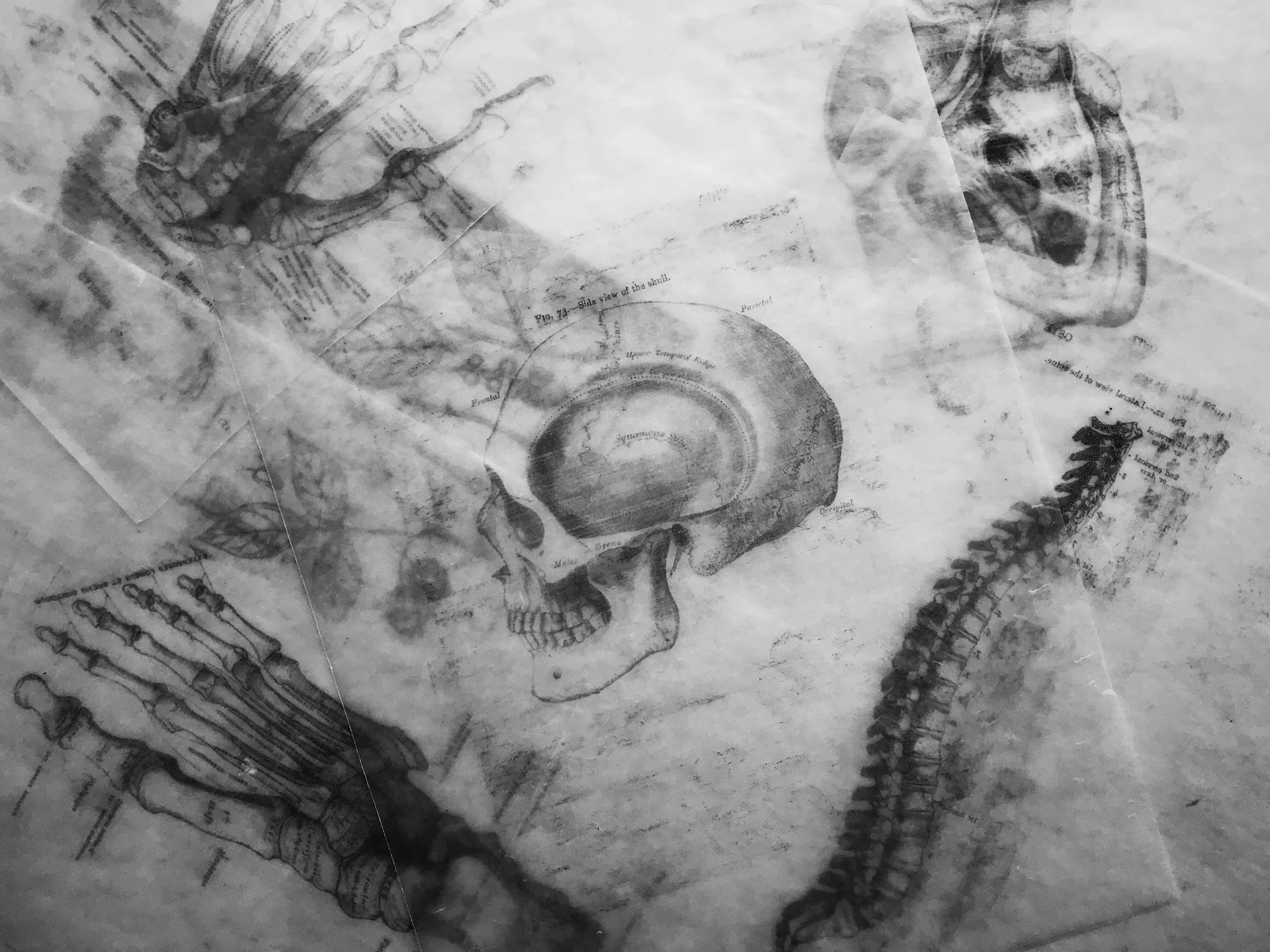
Photo by Joyce Hankins on Unsplash
Corporalità means, of course, “corporeality.” But what does that have to do with writing? We are, for better or worse, corporeal beings. That is a given.
In writing, it has two meanings:
Taking care of yourself
Embodying character
Let’s take #1 first. Writers today, and throughout history, have written in spite of all kinds of physical and mental illnesses. We all have our aches and pains, the days when we feel more or less energy. We may have temporary illness or injury, or chronic illness.
Writing itself is not always easy on the body. We may sit for hours, hunched over a computer. Just sitting too much in itself is bad for you. We may get eyestrain from staring at a screen too long. Our shoulders hunch, our neck muscles grow tight. We forget to drink water.
In order to be at our best creatively, we need to take care of the body. Yes, as I mentioned, there may be significant limitations to deal with. I’m not discounting those. “Spoonies” have to calculate carefully how much energy they have in a day, and allocate it wisely.
But we all have to manage our energy to some degree. It’s important to stay as healthy as possible, since being unhealthy is detrimental to our ability to do the work. We need to:
Get adequate sleep
Drink enough water
Eat healthfully
Get regular exercise
Stretch the muscles
Go for walks in fresh air
Get sunlight and Vitamin D
Look up from the computer for at least 20 seconds every 20 minutes
Practice good posture at the computer (which helps avoid headaches, neck strain, and carpal tunnel syndrome)
Well, duh, you may say. And congratulations if you do all that! As for me, I know there are areas I can improve. I love chocolate and sweet things, but if I eat them before a writing session the sugar crash knocks me out. I know I can do better with my posture. I know I need to be more conscious of drinking water while I write.
Do an assessment of your current health habits. If you view them as supporting your writing instead of just something you “should” do, you may find yourself more motivated to maintain them.
What about #2, Embodying Character?
As writers, we need to be able to embody our characters. This includes:
Understanding how emotion manifests in the body - both as we feel it, and how others notice it
How posture, gesture, and other nonverbal signals communicate to others (often in unintended ways)
How a character embodies physical states such as exhaustion, or a physical disability or injury
Writers need to be keen observers, both of themselves and others. Go out to a public place like a park or cafe, and observe other people’s expressions, and how they move. How do you know what they’re feeling? Make some notes.
Next time you feel a strong emotion, take a moment and focus on your body. What exactly is happening? Does your face flush? Your chest tighten? Your stomach roil? What about your shoulders, and hands? Are you standing or sitting rigidly, or curling in on yourself?
Writers often turn to cliche to show how a character feels. “Her hands clenched in anger.” “She choked back a sob.” “His brows drew downward into a frown.”
All well enough, but what else could we show? And how does a person’s actions specifically relate to their character? Some people slam doors in anger. Others cross their arms over their chests, press their lips together, and turn away. What does each gesture say about who they are?
It doesn’t make sense if a shy character suddenly stares someone down (unless their arc has shown them growing in confidence). That brings up another point: does how they move in the world change as their inner arc of change progresses? How can you show it? How do others’ reactions to them change?
More subtly, there is the paradox that shows something the character might want to keep hidden: suddenly blurting out something inappropriate, for example. Or, someone who feels cowardly and insignificant makes an impulsive leap to show how “strong” they are - and it lands them in hot water. I’m reading a novel now where the character has recently been traumatized by violence, and every time she’s triggered, her physical reaction gives her away, even as she reassures herself and others that she’s “fine.”
Pay attention to how your characters move in space. What are their bodies like? How do others react to them? They are not just talking heads. In dialogue, especially, you should give them something meaningful to do. This action might even give them away. Tearing a piece of paper into tiny pieces while talking with someone who makes them nervous is a cliched example. Think of what else they could do that might give away their real emotions - or hide them.
What about someone who just can’t bring themselves to say “I love you”? Maybe they show their love through physical acts of service, like cooking or building something for the other person. Or maybe they come across as cold and distant because they just can’t let their guard down.
Be aware of the physicality of your characters. And be aware of your own physical needs, too. That is the message of the principle of Corporalità.
If you like this, head on over to the Contact Page and sign up to get my monthly newsletter featuring tips on creativity, productivity, and the writer’s craft.