How to Think (and Write) Like Leonardo da Vinci, Part V: Arte/Scienza
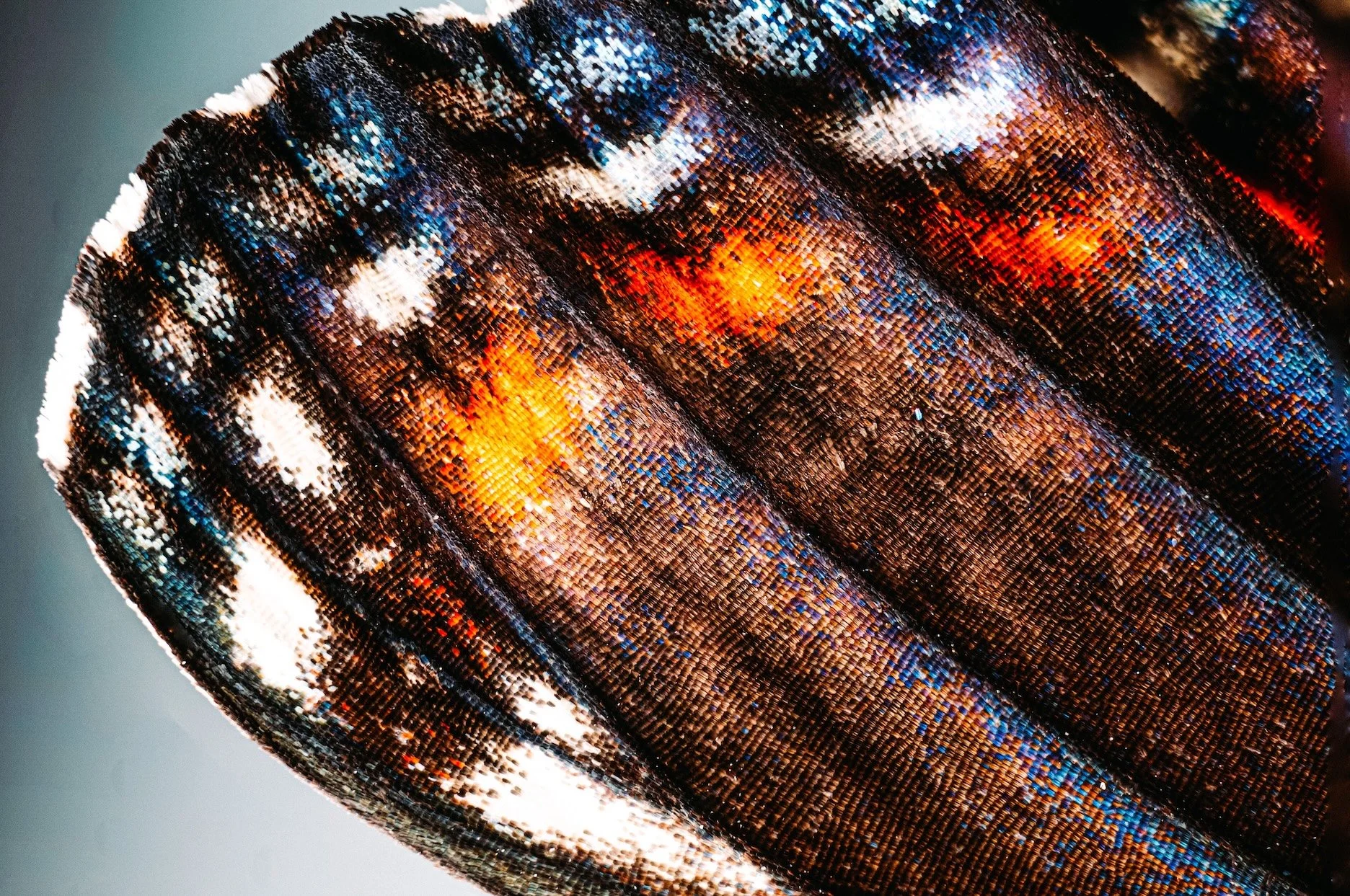
Photo by Megs Harrison at pexels.com
Writing is a delicate balance of “Art and Science.” Or rather, imagination and analytical thinking. The trick is to find the right balance, and to know when to apply the art, and when to apply the science. It requires using our whole brain - in the right way, at the right time.
The Art
Where do ideas come from?
Dreams…
Snippets of overheard conversation…
A glimpse of a person as they walk by…
Visual art, music, and other creative forms…
Memories of places, people, things…
Things we’ve read…
The unconscious…
We might try mind-mapping, or doodling, or writing snatches of conversations or scenes in notebooks. We do some research, gleaning new ideas as we go. We take long walks, during which sudden inspiration strikes. New connects are made while we’re asleep, or while doing the dishes or some other activity.
The imagination is an amazing stew of all our experiences, stirred together into new forms. We can’t pinpoint exactly where the first germ of an idea for a book comes from. We can’t predict how it will evolve as we mull over the idea, and maybe eventually try to put it to paper.
We can’t predict how it will evolve through multiple drafts, or how, if published, it will be received by readers.
It’s that mystery of the creative process itself that draws us forward. We write to find out what we think, and how the story will play out.
We have to trust the process, which can be difficult. The temptation is always there to start editing too soon. We revise the first ten pages endlessly, hoping to achieve the perfect opening, before we’ve written the rest of the novel. Even when the “Science” part of revision starts, we have the urge to polish every sentence before we even know what the big-picture issues are that need to be resolved.
Of course, writing craft comes into play as well. There are elements of craft to learn. “Rules” to be broken (once we understand them). We need to know why we’re writing - to inform? Entertain? Make the reader think? Make them realize something about life, or the human condition? Craft choices dog us all the way through, even in a first draft. The greater the command we have of craft, the better choices we make earlier on.
We take in the best examples of our genre, so we understand what good writing means. We drink in the art of those who came before us. We remain open, alive to new perspectives and ideas.
The Science
Eventually, after a first draft, we have to let the Science take a bigger hand in things. We have to read over what we’ve written, analyze it, and figure out how to make it better.
This is where we really apply what we’ve learned from craft lessons. How can the description in this scene be more evocative of mood? How can the dialogue express what is unsaid? Where can the tension be raised? Is this the right word for what I really mean here?
Would this paragraph be more effective if it’s broken up?
We bring the curious, exacting editor’s eye to every sentence, and polish it until the final piece becomes as close as possible to our original vision.
And then we send it off to other eyes to read and examine, and give us their feedback, so we can go back and polish some more.
It’s here, too, where we figure out which rules we can break. Which experiments worked, and which didn’t? Can I play with time, with tense, with language, with structure? Here too, there is a mix of Art and Science. Visualizing the effect you want, and knowing how to achieve it.
Some writers prefer the drafting phase, others prefer the editing phase. There’s no “right” way to be; you may have a preference, but both are necessary.
Some writers plunge into a piece with only the vaguest notion of where it’s going. They prefer to thrash it out as they write.
Others prefer to let a little “Science” in at the beginning, outlining or otherwise figuring out what they want to say before starting.
Art without Science is a mess. Science without Art is dull and uninspiring. We need to embrace both in writing.
Of course, both bleed into each other. They are not rigidly separated. They work in harmony to produce your work.
Leonardo da Vinci epitomized the union of Art and Science. His painting of the human figure was informed by his deep study of anatomy. He drew beautiful, detailed pictures of the natural world, seeking not just to depict, but to understand how it worked. Those drawings of birds for example, in turn inspired his blueprints for flying machines.
For him, Art and Science worked together naturally. There was no rigid separation between them.
Writers, too, need both. In modern parlance, we just need to be aware of when to emphasize the Arty “right brain” and the Scienc-y “left brain.” We’ve all seen written pieces that were published before they were properly edited, and ones that were so over-edited they seemed dry and lifeless.
“Arte e Scienza” is the principle of balance and harmony in all creative endeavors. It’s fine to have a preference, but don’t shortchange one or the other, or you will fail to produce your best possible work.
If you like this, head on over to the Contact Page and sign up to get my monthly newsletter featuring tips on creativity, productivity, and the writer’s craft.