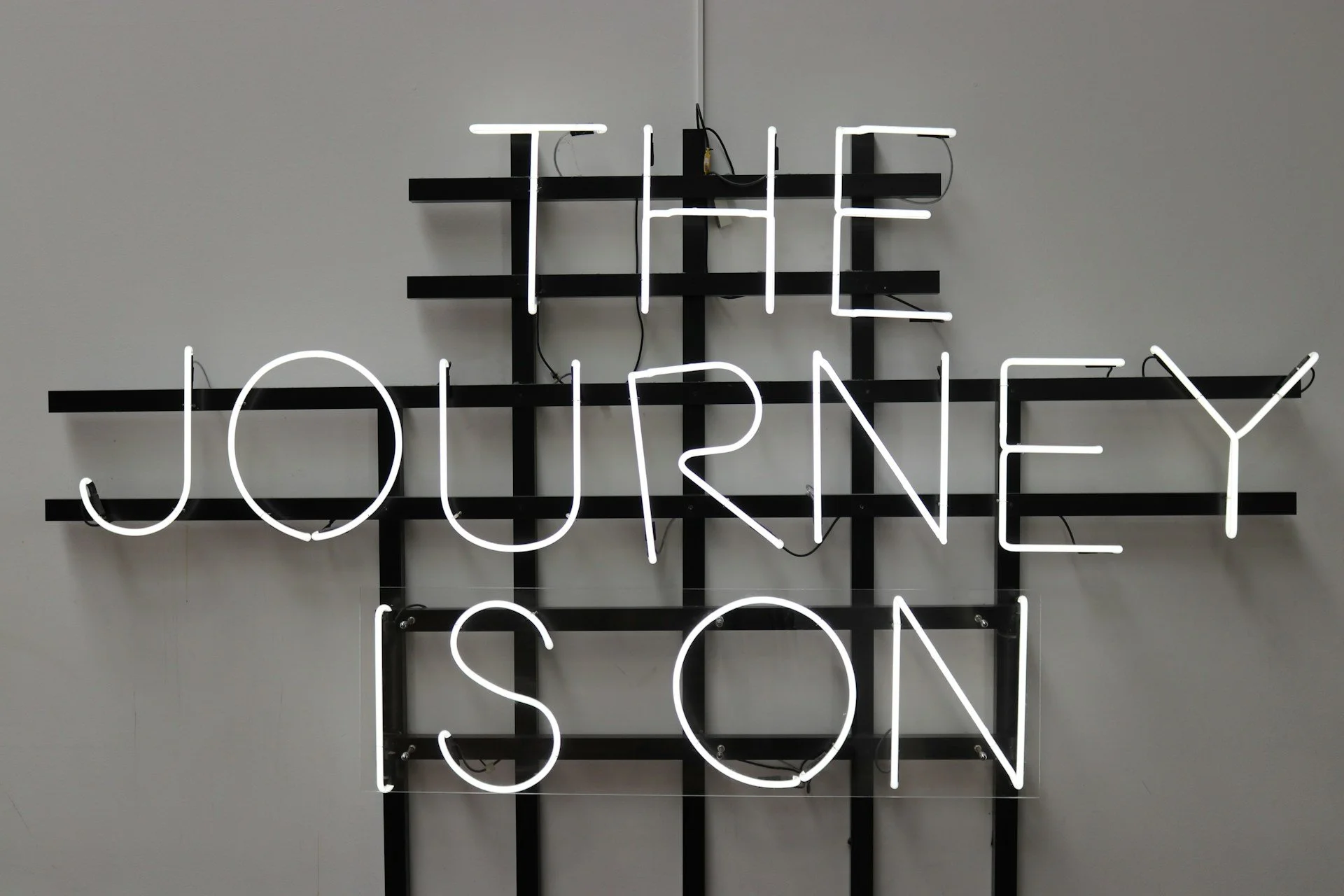
Photo by Clemens van Lay on Unsplash
One of the daily affirmations I posted this week was:
I understand clearly my idea of success, and work diligently to achieve it.
What does success as a writer mean to you? Is it being published? In what way (traditional, self-pubbed)? Winning awards? Sticking to your own vision and writing what your heart tells you to, no matter if anyone else reads it? If you don’t have a clear vision of your success and what it means to you, then your motivation will flag as you encounter challenges on the way. How can you get there, if you don’t know where “there” is?
This idea intrigued me, because I realized that my own ideas of success have evolved as I’ve grown older and more experienced. Of course, when I was young and knew nothing about the creative life or the business of publishing, I imagined multi-book deals and instant success. Followed by all the awards, of course!
Instead, I had a loooonnngg apprenticeship, and plenty of self-doubt and disappointment along the way. When I did my MFA, I had a whole other idea of literary success, as defined by my wiser, more experienced mentors.
Of course, the world of writing and publishing changed greatly over the years. The rise of self-publishing, many more independent houses, hybrid publishing, ebooks, and AI, to name a few. The process of getting an agent has changed, as well as the likelihood. The big publishers have splintered and shrunk.
I mean, when I started writing, it was on an electric typewriter. Queries and manuscripts were sent through the mail. You used a big book that listed various publishers and agents to find out who to send it to. It was old school.
It’s all in the journey.
To me, success now has less to do with specific publishing goals, and more about what I find interesting, meaningful, and challenging. Of course, I still want people to read my work. But what that looks like has changed over time.
I write my blog, and articles on Substack. And I’m grateful for every reader!
I co-wrote a nonfiction book about a mountain cub rescue, that raised money for the organizations working to save and rehabilitate mountain lions.
I have a book coming out next year for a press that specializes in books for emerging adult readers.
I have a poem being illustrated for the Syracuse Poster Project.
I’m working on several other projects. And most importantly, I’m keeping my mind open to whatever moves me.
What all this means, is that writing has been a journey.
Last week I talked about the importance of a “Growth Mindset.” This week I want to talk about the importance of a “Journey Mindset.”
This is important even after you do achieve a goal. Otherwise, once you reach it, you may feel a bit depressed - is that it?
To focus on a journey mindset:
Recognize what you are working toward - what is your dream goal? What is your True North, your most meaningful goal? What is your Why?
Find smaller goals you can reach on the way. Your motivation will flag if a goal is distant. Especially in writing, we may work for years in isolation, with little encouragement. Smaller goals - finishing a project, taking a class, publishing something small - can keep the momentum going, and teach us the value of consistent work.
Figure out what you love about writing. There will be be plenty of times when you feel it is anything but fun! Endless revisions, rejection, struggling through stuck places in your manuscript… as the saying goes, more people love to have written than love to write. But if you connect with what you love, you will find it easier to persevere.
If you focus on the journey, you can appreciate all the learning on the way. You don’t focus on the goal like you’re just checking a box. Each day is an unfolding adventure.
Adopting a journey mindset also makes it more likely you will not only stick with writing, but actually apply what you learn as you read, take classes, and receive feedback.
Also take the time to reflect back on what you’ve learned and how far you’ve come. Look back over your previous work. You may see glimpses of work you’re proud of - and lots of places where you can see how much better you are now.
Every project is different, and successful completion of one doesn’t make the next automatically easy. Every writer of multiple books says that although they take what they’ve learned into each new book, the journey of actually writing it demands a whole new approach. That’s the joy of the creative process.
You can also use past successes in other areas to help you envision the journey. Remind yourself “I can do hard things.”
Apply the Hero’s Journey (or Heroine’s Journey) to your own situation. Where are you? Who are your allies? What tests and initiations have you undergone? What treasures have you brought back?
The Journey is the Destination
It may be trite, but it’s true. Go ahead and have a Big Goal, but don’t get too attached to it - or to an exact vision of how it “should” turn out.
Enjoy the journey. Learn, explore, create. That is where fulfillment lies, not in the momentary ascension of a pinnacle. Everyone who makes it to the summit of Everest has to climb back down. I’ll bet if you asked, most would say the fun was in the journey getting there.
If you like this, head on over to the Contact Page and sign up to get my monthly newsletter featuring tips on creativity, productivity, and the writer’s craft.