

How to Write a Killer Query Letter
Querying a book is both a lot simpler and a lot harder than it may appear. Simple, because there are very specific things you need to include, and there is a very simple outline you can follow to make sure those elements are present. Hard, because holy cow – creating a compelling short synopsis of your book in one or two paragraphs is a major challenge!
How to Create Compelling Pitches and Loglines
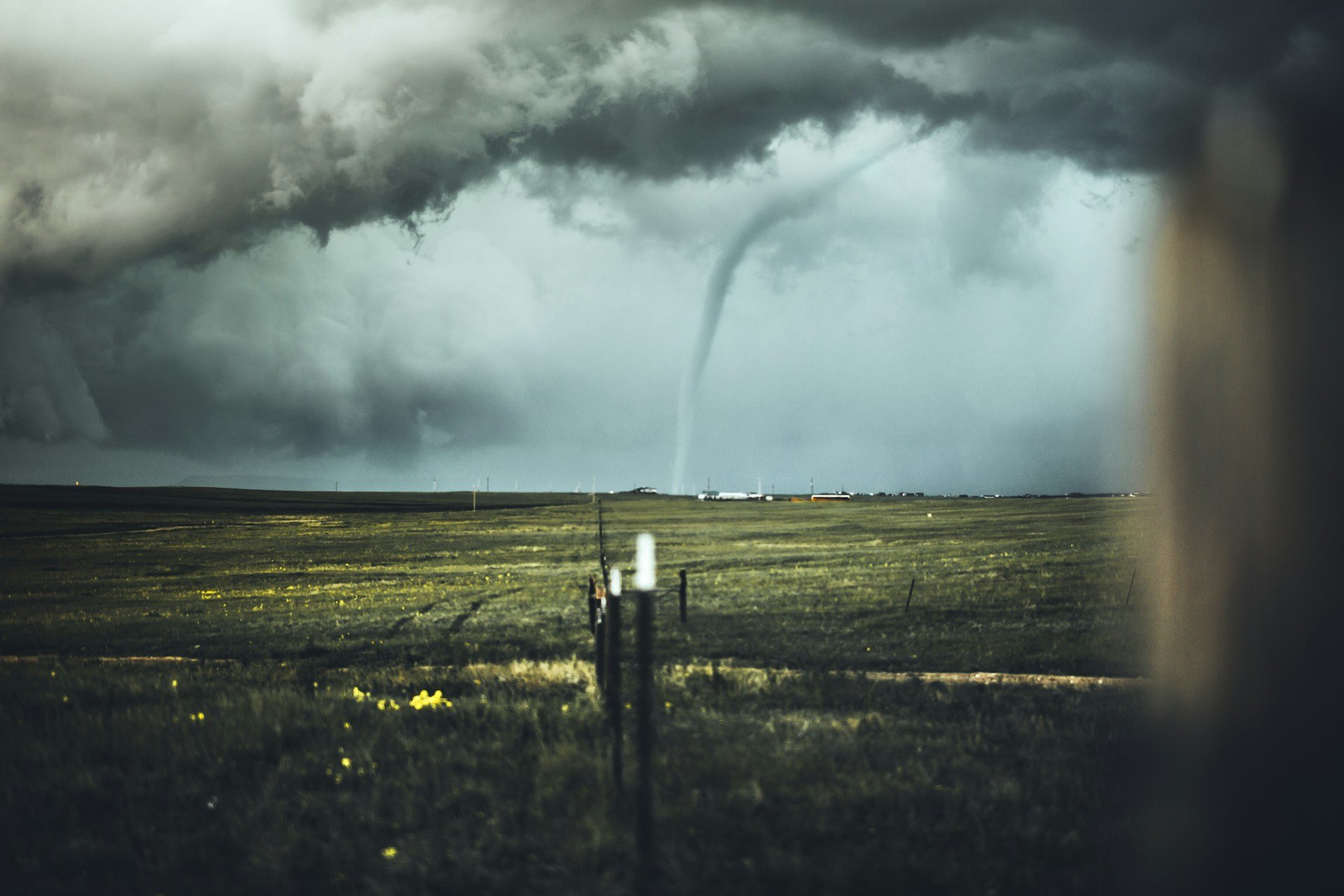
When a tornado spirits a girl away to a fantastic land, she must retrieve a broom belonging to a wicked witch in order to learn to secret to returning home again.
An archeologist must battle Nazis to retrieve the Ark of the Covenant before Hitler can use it to achieve world domination.
A boy journeys through a strange land in his dreams and learns to befriend the monsters there before he can appreciate his home and family.
Any of those sound familiar? These are all examples of loglines of famous stories.

Supporting Character Archetypes – What They Are and When to Use Them
What is an archetype? An archetype is, simply, a pattern or model that exemplifies the main characteristics and functions of a particular thing - in our case, the supporting characters in a novel.
Archtypes in literature are patterns that have been built up over centuries - even millenia - of human storytelling. Readers respond to them because they instinctively understand them. They can be powerful patterns for any type of character, including the main hero/ine and villain/antagonist, but today I specifically want to talk about how using them as a model can help writers create stronger, more resonant secondary characters.
12 Steps to Return to a Long-Neglected Writing Project
Last summer I finished a draft of a middle-grade (MG) novel, and sent it out to a few beta readers – people I trust to give good feedback. They delivered, and I did a cursory read-through of their comments. Before I could do a thorough read-through, or start revision in earnest, I decided to move to a different state.

Developing Your Cast of Characters
We tend to talk a lot about our main character – their goals, their flaws, their struggles, and above all, their arc of change – the way they grow and develop as a result of what happens in the plot.
But unless they live alone on a desert island, they will be surrounded by other people.

10 Frequent Problems with Scenes (and How to Fix Them)
Let’s face it, a LOT goes into creating great scenes. Every scene in your novel has to do a lot of work, and it’s easy to get overwhelmed. Below is a checklist of the most common issues I see with writers’ scenes, and some brief suggestions on how to fix them. Each of these could be a blog post in itself (and probably will be) but it gives you a place to start in evaluating any scenes of your that fall flat, drag, or cause confusion in your readers.

3 Things Every Scene Needs to Succeed
Novels (and narrative nonfiction) are made up of scenes. These mimic the larger story structure, with a beginning, middle, and end.
It starts with a question or problem.

The 10 Point Checklist for Novel Revision
This week I have set aside as a writing retreat to finally finish this draft of the Middle Grade Novel That Never Ends.
Honestly, that’s how it’s beginning to feel. I’ve got to get it out to readers soon, because I’ve lost perspective. I’ve been hammering away at it too long. This is a natural part of the writing process, but it is starting to feel like a slog. I wrote in my journal this morning, “I am so done with this novel.” But... it needs a little more work before I can send it off. The beginning, especially, is a mess.
10 Easy Revision Hacks to Make Your Manuscript Shine
As I’m going through my manuscript, even though it’s just the last draft before I send it off to readers, I’m getting nit-picky about the little things. The thing is, the “little things” are the ones that really make the difference between a polished manuscript and one that misses the mark on a lot of levels.

Who Is Your North Star?
I love me some Mel Robbins. I love listening to her podcast, because she gives down-to-earth, no-nonsense advice on how to live your best life.
Of course, the best advice in the world is no good if you don’t apply it, and a recent episode had me thinking: What is the North Star of my writing?
This concept comes from an exercise that Mel’s daughter did in her performing arts program at university. Your North Star is simply the person whose creative journey most inspires your own.

The Next Step for Revision – Create Your As-Is and Revised Story Maps
Once you’ve read through your manuscript and answered all the questions from last week’s post, you need to make a plan for actually doing the revision.
No, it’s not time to start writing yet! At this point, you’ve probably identified a bunch of issues you need to deal with. Questions to be resolved, decisions to be made, scenes to be combined/added/changed/deleted. Characters to be combined or cut. You get the idea.

5 Questions to Ask Before You Start Your Novel Revision
Phase I of revision on my novel is over - the read -through. I've read the whole thing and overall I'm pretty pleased with it (phew!). I've made notes on all the major things that need to be decided/changed/added/removed. Now comes the hard part: actually making those decisions and beginning to implement them.

The Stoplight Method for Revision, Part III: Green Light Issues
Finally, we come to dealing with Green Light issues in your draft! For the past two weeks, I’ve talked about Red Light issues (the big-picture, foundational changes you need to make) and Yellow Light issues (the somewhat complex but more manageable issues you need to resolve). Now you’re ready to deal with the stuff that will really make your manuscript shine.

The Stoplight Method for Revision, Part II: Yellow Light Issues
Last week I gave an overview of the Stoplight method for revision, focusing on the Red Light issues – the major issues you need to deal with before anything else. This is by far the hardest part of revision, since it involves looking at things like character arc and structure.

The Stoplight Method for Revision, Part I: Red Light Issues
Have you ever finished a manuscript, and wondered, Now what do I do? If so, you are not alone. The majority of writers think that revision means “go back to the beginning and start from page 1 and then edit each line.”
WRONG.

What To Do When You Have Too Many Ideas
This past weekend, I found myself in a Läderach chocolate shop very similar to the one in the above image. I hadn’t had Läderach chocolates since my last trip through Zurich in 2018, and let me tell you, they are divine. I recently learned they opened a shop in Boston, and it was all I could do to restrain myself from heading there the next day, work obligations be damned.

Making a Scene: How to Go Deep to Maximize Action and Emotion
This week I hit that pivotal moment in my novel, where we turn into Act III. It’s a good place for an “all is lost” moment. Maybe even a culmination of many moments, where the Protagonist realizes nothing is going right, and it’s her against the world.

How Watching Films & TV Can Improve Your Writing
Awesome! You mean all my hours of binge-watching Netflix, HBOMax, Amazon Prime, AppleTV+, Disney+, Hulu, etc., etc. Are actually helping my writing?
Well, yes, and no.

My Most Popular Articles of 2022
As we rush toward the holidays, I realize most of us do not have time to red and absorb lots of articles and new information. But maybe next week there will be a lull... we can hope! So I thought it might be fun to see what my most popular articles were from 2022, and put them all in one place so you can catch up on any you missed. May they bring you inspiration for your writing in 2023!

NaNoWriMo Preptober: Nail Your Main Tentpole Scenes
This week, we’re going to tackle the basics of your story structure. I say basics because when I work with clients, this part alone can take weeks to nail down if we were to do all the pieces, including feedback. If you’re starting NaNoWriMo on November 1, you don’t have that kind of time. Hence, this quick-and-dirty introduction to figuring out the major story milestones you need to hit, which will at least give you some goalposts to work towards as you write your first 50K words.