The Pros and Cons of Publishing with a Small Press
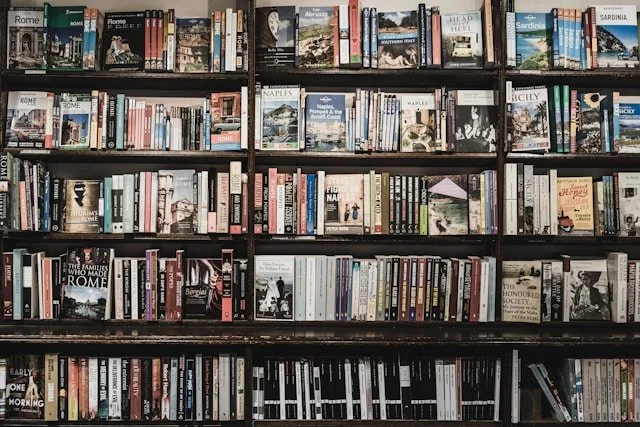
Photo by Ugur Akdemir on Unsplash
I just signed my first book contract. It feels surreal to say it. This day has been a long time coming. It’s with a small press, Gemma Media.
I am very happy about this, for many reasons. For one, it’s a lifelong dream fulfilled. For another, I really believe in the mission of this press. And yet another, I’m in some amazing company in terms of fellow writers who’ve been published by this press.
It all worked out really well, and I’m glad I took the chance and submitted.
For many writers, getting an agent and a Big 5 publishing deal is the dream. But that is harder than ever to achieve. Just querying agents can take months or years. And then that agent has to shop your book around to possible publishers. And then there is a long publication process, which you have little say over.
So more and more writers turn to self-publishing, where they take all of the responsibility and also the rewards. That has its own pitfalls, of course. Time, money, and a long learning curve.
There is another way. Many small, independent presses exist now, and they are a reputable and excellent way to break into publishing. They often have a particular focus, publishing only certain types of books. They have small but fiercely dedicated teams.
There are pros and cons, of course, as with any publishing path. No matter what, you need an excellently-written book that matches what they are publishing.
The Pros:
A professional team of editors, designers, marketing folk, etc., who will work with you closely on your book.
Some small presses are very prestigious, others are very niche, and some are very new and have no real track record to speak of (yet). You want to do your research on the press: do you like the look of the covers? Have the books won awards? What is the distribution like? You can get a good sense of that by perusing their catalog on the web.
You may have a shorter time to market. Most small presses only publish a few titles per year, and they usually move more quickly than the larger presses.
Most of them don’t require agented representation. You can submit to them directly - more information on that below.
The Cons:
You may get no advance, or a very small one. They may have a standard contract that is basic for all authors. If you have any questions, you can always check with a lawyer (the Author’s Guild may review it for free).
They won’t have as large a marketing budget as the big houses do - but remember, the lion’s share of the big-house marketing budget goes to big-name authors, and wherever you publish, you will be expected to help market and promote your book.
If they’re new, or very small, then they are a risk. You should be aware that small presses often run on a shoestring budget. Your press could close before your book comes out, or after. They may not know what a fair contract looks like. They may or may not have good distribution or marketing set up. When in doubt, ask questions!
Other considerations:
These are not vanity presses, or hybrid presses. Small presses will not ask you for any money to publish. If they do, and they don’t advertise themselves as hybrid, walk away. Some vanity presses can be very sneaky about this, leading you on with all kinds of promises, and then springing a request for payment on you. Some small presses do request a small reading fee, and that is legitimate.
This should be obvious, but look carefully at what they publish and what they’re asking for. Don’t waste your time (or theirs) with something that is not a good fit. Presses may specialize in terms of genre (fiction, nonfiction - and all the various subgenres), or even size of work (chapbook, story collections, anthologies).
Follow their submission guidelines: Are they currently open to submissions? Many have specific windows where they are open. What sort of submission package do they want? You may need a query letter, synopsis, sample chapters, even a more formal proposal. If you are writing fiction, you will need to have a complete manuscript ready, just as you would for a big publisher. For nonfiction, it may depend on the type of book as to whether you will need the full manuscript ready, or just a proposal and a few sample chapters.
Check out their social media presence and see how they are promoting their books and authors. Their website should look professional with new books featured, and should show signs of regular updating.
Where are their books distributed? This should be listed somewhere on the website, or readily available information if you ask.
You might also look up their books on Amazon or Bookshop.org to see what the reviews are like, the price listed, and so on.
The editor may ask for revisions, and that is also legitimate - and a good thing! These may be requested before a formal contract is offered. It’s up to you if you want to make the requested changes. If they don’t resonate with you, or anything feels “off,” you can back out gracefully. But you should be willing to make at least some changes in service of making the book the best it can be.
Remember, you want a partner in the publishing process. If an editor reaches out to you, feel free to ask questions. Jane Friedman has an excellent article on How to Evaluate Small Publishers.
How can you find small publishers? Here are some sites to try:
You can subscribe to Authors Publish for good publishing opportunities of all kinds.
Chill Subs has a database of small presses, as well as many other publishing opportunities. Free access to some things; paid subscription for full access.
Duotrope has a plethora of resources, and an amazing community. You have to pay to join, although there is a free trial.
Erica Verillo’s Publishing...and Other Forms of Insanity has a wealth of information on all aspects of publishing, including opportunities with small presses. Poke around on the site - there is a lot there!
Reedsy has a list of the Best Independent Publishers of 2026.
The Writer’s Center has a good list of the major independent presses.
If you do choose to pursue publishing with a small press, do your research as you would with any other part of the process. But it can be a valid way to bring your work into the world, especially if you have a book that might be perfect for a more niche audience, that a larger publisher would not be likely to take on.
No matter what you write, there is probably a small press out there that could publish it!
If you like this, head on over to the Contact Page and sign up to get my monthly newsletter featuring tips on creativity, productivity, and the writer’s craft.