My Thoughts on Using AI in Writing
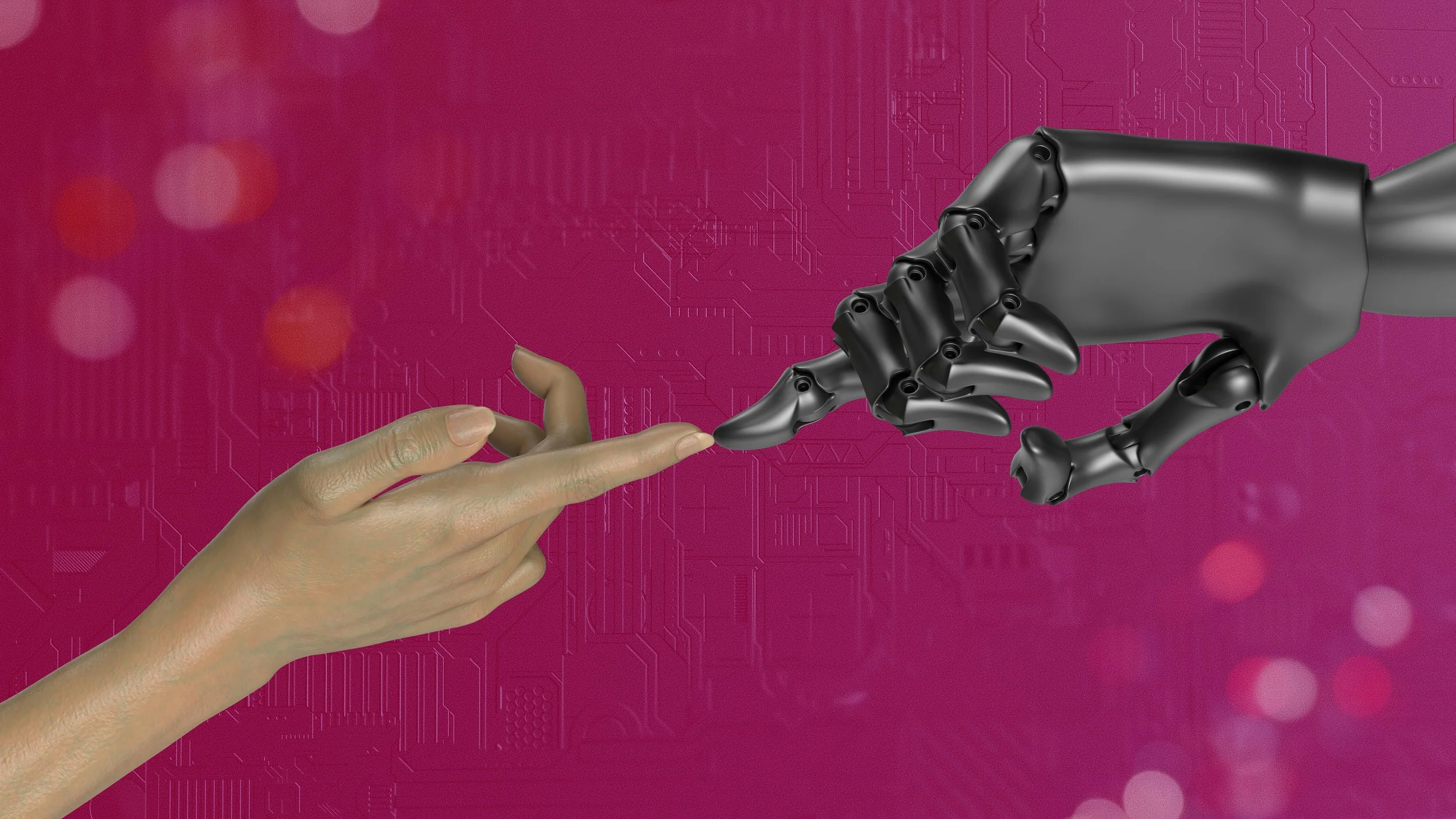
Photo by Igor Omilaev on Unsplash
Don’t. I assure you, you will not be “left behind” if you forswear it. You will see authors who churn out 100 books a month in predictable genres earning six figures, and if that’s really what you want to do, and readers really don’t care, then <shrug>. But you are not a writer, in that case. You are simply an AI prompter.
You don’t need it to help you with ideas. You don’t need it to help you flesh out those ideas. You don’t need it to polish your prose.
The one place where AI may have a function is spell check. Even then, you need to proofread carefully. It may also do a grammar check, but I frequently break the rules, and so should you (once you know them, and are doing it on purpose). I don’t even like Grammarly for this reason. It helps you turn out perfect - and perfectly dull - prose. (And don’t get me started on the em-dash “tells”, please. I will use them until my dying day, AI be damned.)
Think about it: if you use AI to write, you are promoting the stealing of all the writing they used to create the AI in the first place. They scraped the internet and “trained” the AI on thousands (millions?) of works written by authors of all kinds who never were, and never will be, compensated for their work. It’s a sneaky form of plagiarizing.
The joy and agony and thrill and work of writing is in the writing. It’s in the act of coming up with an idea. Letting it marinate in your subconscious for a while. Playing with it on the page. Fleshing it out, developing it. Making changes. Throwing some stuff away, keeping the gold. It’s communicating whatever is within you, whether you aim to entertain, inform, persuade, amuse, horrify, or whatever your objective in writing your piece is.
AI cannot, by definition, replace that. It’s the beautiful, messy process of writing. You’re not making your writing better by using AI. You’re just making yourself sound like everyone else.
Of course, the flip side is the fear that every writer will feel pressured to become exaggeratedly “voicey” to prove they are not an AI sock puppet. I too fear that despite my anti-AI stance, someone could conceivably run something I write through an AI detector and come up with “this is 85% written by AI!” Which just proves that AI was trained on human writing in the first place. AI detectors are far from infallible.
Which is why we real writers have to hold the line. If we give in to AI, even here or there, it becomes a slippery slope where every time we hit a snag or have a doubt, we turn to AI. Our brains need the workout, frankly, after the mind-numbing dopamine phone-coma roller coaster we put it through on the daily. Can’t think of a word? A phrase not quite right? Can’t figure out how to put the right emotion into that scene? No thoughts on how to flesh out this piece? Figure it out.
That’s it, right there. That is writing. It’s messy and uncomfortable. And when you get it right, wow, there is no better feeling. You don’t get that rush from using AI, that’s for sure.
Are there times and places when AI can be useful? Absolutely yes. But creative work is not one of them.
I fear that eventually AI will get so good that we can’t tell the difference. And that eventually we won’t care. That will be a sad, sad day.
We writers - real writers - need to hold the line. As readers, too, we need to try our very best to avoid AI-schlock. Written expression is a purely human form of communication that evolved over thousands of years. Human speaking to human over vast reaches of time and space. It’s so cool, so precious. Let’s not lose that.
Agree or disagree? Please leave a comment!
If you like this, head on over to the Contact Page and sign up to get my monthly newsletter featuring tips on creativity, productivity, and the writer’s craft.